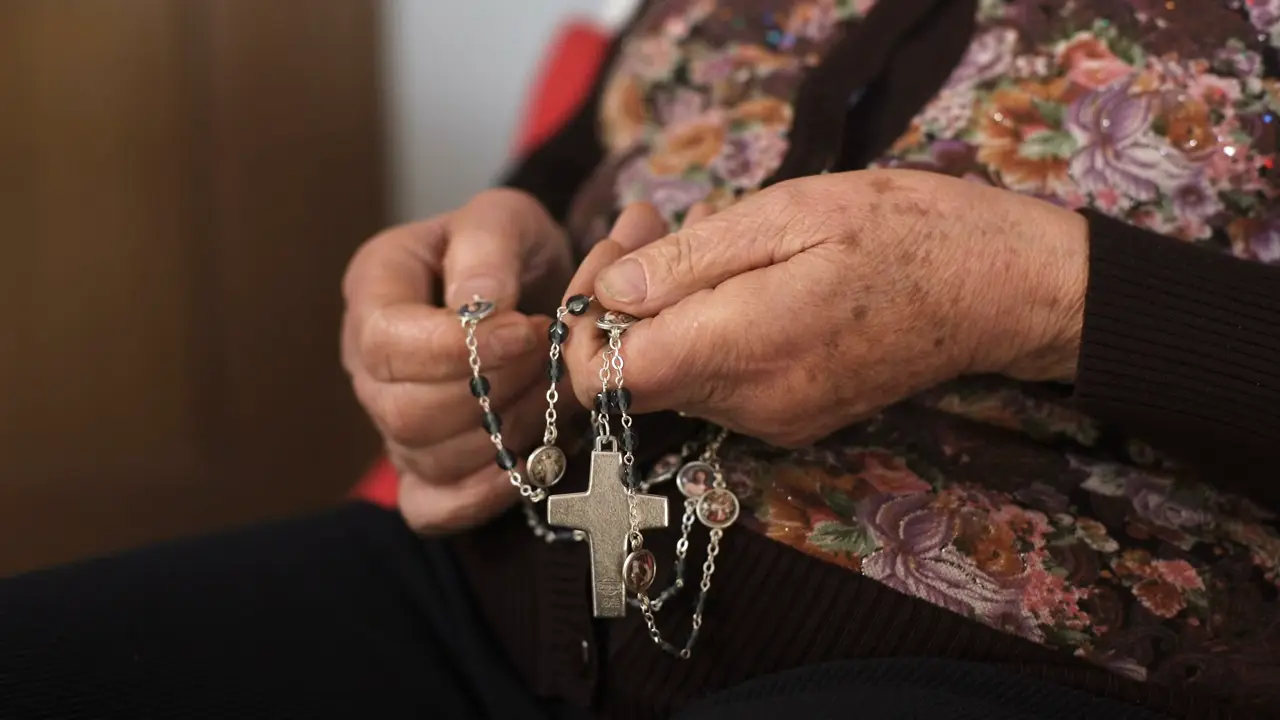
Short answer: Some makers turn a small amount of cremated remains into glass pieces, lab-grown diamonds or stone-like keepsakes. Methods and claims vary. Ask exactly what is used, how much of the ashes is needed, how the ashes are tracked and what proof you will receive, before you send anything.
Some links on this page are affiliate links. We may earn a commission at no cost to you. This never changes our guidance.
What is an ashes keepsake of glass, diamond or stone?
Please read this first
Funeral Clear does not make or sell these items yet. We are collecting requests and will try to match families with independent makers. We cannot promise a reply time or that a maker will be available for your idea.
Several kinds of keepsake are made with a small amount of cremated remains. Glass pieces are shaped by a glassblower, with the ashes added to the glass. Stone-like keepsakes may be made by mixing ashes into a binder or resin. Memorial diamonds are made in a laboratory.
These are real, long-standing practices, but they are also an area where claims can be vague. This page helps you ask careful questions.
How is an ashes keepsake of glass, diamond or stone made?
- Glass: a glassblower can add a small amount of ashes to molten glass, which is shaped into an orb, pendant, paperweight or ornament. The ashes' colour and effect vary from piece to piece.
- Diamonds: cremated remains contain mostly minerals, and much of the carbon is burned away. Laboratories describe taking carbon from ashes or hair, or adding other carbon, then growing a diamond under high pressure and heat. Practices vary, so ask which one applies.
- Stones and resin pieces: ashes are mixed with a binder, resin or similar material and poured or pressed into a shape, such as a pebble, heart or small sculpture.
In each case, only a small portion of the ashes is needed. The rest remains with you.
Who is an ashes keepsake of glass, diamond or stone a good fit for?
These keepsakes suit families who want to carry or display a small part of the ashes in a different form, or share a portion among relatives. They can be comforting when a full urn feels too large or too fixed.
They may not suit families whose faith or community asks that remains stay together. In that case, ask your faith leader or elders first. Some families also prefer to keep the ashes whole.
What materials, sizes and timelines are typical?
Pieces are usually small, from a pendant to something that fits in a palm. Timelines are best described in general terms: glass can take weeks, while a grown diamond often takes months. Shipping and checking add time. Please do not treat any date as a promise.
| Type | How ashes are used | Things to know |
|---|---|---|
| Glass | A small amount added during forming | Look varies; ask to see similar pieces |
| Diamond | Carbon taken from ashes or added carbon | Ask which; ask for an independent grading report |
| Stone or resin | Mixed with a binder | Ask about the binder and how it ages |
How should I handle, ship and carry ashes?
Cremated remains are usually returned in a plastic bag within a temporary container. Keep them in the bag and handle them slowly on a clean surface. If you need only a small portion, ask the funeral home or crematory to divide it for you.
- Capacity: you only need a small amount for most keepsakes. Ask the maker for the exact amount.
- Sealing: use a sealed, sturdy container and label it clearly. Do not send ashes in a thin bag.
- Shipping: ask the maker how ashes should be sent, and whether the shipping method is tracked and insured. Rules for mailing remains vary, so check with your carrier.
- Flying: in the United States, the TSA allows cremated remains if the container passes X-ray screening, and it will not open the container. Check the TSA guidance and your airline. See our urn shop page for travel-friendly urns.
How do I verify a maker's claims about my loved one's ashes?
This is the most important section. You are trusting a stranger with something irreplaceable, so it is fair to ask for proof.
- Ask for a written description of the full process, from receipt to return.
- Ask how your ashes are labeled and kept separate from other families'.
- Ask for photos or updates at key steps, and for a certificate of what was done.
- For diamonds, ask for an independent grading report and whether the carbon came from the ashes or elsewhere. Either may be disclosed honestly, but you should know.
- Ask what happens to the leftover ashes and how they are returned.
If you cannot verify a claim, you can choose a different maker, or keep the ashes whole.
What drives the price of an ashes keepsake of glass, diamond or stone?
Makers set prices in different ways, so it helps to know what sits behind a quote. In general, these things move the price:
- The type of keepsake: glass, diamond or stone.
- Size, and for diamonds, the carat weight and quality.
- How much hand work is involved.
- Laboratory time and independent grading, if offered.
- Shipping, tracking and insurance.
- Setting or mounting, for jewelry.
Ask for a written quote that lists each part, so you can compare like with like.
What should I ask a maker?
Bring this list to your first conversation. A good maker will be glad to answer.
- What exactly is made from the ashes, and how much do you need?
- How will my ashes be labeled, tracked and kept separate?
- What proof will I get, such as photos, a certificate or a grading report?
- How will the ashes be shipped, and is it insured?
- What happens to the leftover ashes?
- What if the ashes do not work with the process, or the piece breaks?
- Can I visit, or speak with a past customer?
What are the red flags to watch for?
Most makers are honest and careful. These signs are reasons to slow down or walk away:
- Promises of exact colours or results that nature cannot guarantee.
- Claims that cannot be explained or checked.
- No tracking or proof of the process.
- Pressure to send ashes immediately.
- Refusal to explain what happens to leftover ashes.
Who owns my photos and files, and what about privacy?
You keep rights in your own photos and in the ashes. Ask whether the maker may post images of your piece, and say no if you prefer. Your name and your loved one's name should not be used in promotion without your consent.
How do I care for it, and how long will it last?
Glass is durable but can chip or break if dropped. Stone-like pieces vary by binder and are best kept dry. A diamond is hard but, like any gem, can be lost, so insure it if it is set in jewelry.
Is there a lower-cost or do-it-yourself option?
A gentle, lower-cost option is a small keepsake urn or locket, which holds a pinch of ashes without any process. You can also use a pressed-flower frame, or plant a tree with a portion of ashes in a way that is permitted.
When should I not rush this decision?
The ashes can stay with the funeral home or at home for as long as you need. There is no deadline to turn them into anything. Many families wait a year or more.
Frequently asked questions
Can ashes really be made into a diamond?
Laboratories say they can, but methods vary. Ask whether the carbon comes from the ashes or elsewhere and ask for an independent grading report.
How much ashes do I need to send?
Usually a small portion. Ask the maker for the exact amount.
Can I fly with ashes?
In the US, the TSA allows them if the container passes X-ray screening. Check the TSA and airline guidance.
How do I know my ashes were used?
Ask for a written process, tracking, photos and a certificate, and check independent reviews.
What keepsakes can be made from a loved one's ashes?
Several kinds of keepsakes can be made from a small portion of ashes, and many families choose them as a personal way to remember a loved one. Options include jewelry, glass art, keepsake urns, memorial stones, and pressed or sealed pieces. A small amount of ashes is usually enough. Funeral Clear does not manufacture or sell memorial products at this time, and this page is for information and referral only. What to ask: ask any artist or maker how much of the ashes they need, how the item is made, and how the ashes are handled and returned.
Can ashes be made into jewelry?
Yes, a small amount of cremated remains can be sealed in or incorporated into jewelry such as pendants, rings, or bracelets. Some designs hold ashes in a small chamber, while others blend them into glass or resin. Prices vary widely by material and craftsmanship. Funeral Clear does not make or sell jewelry, and we provide information only. What to ask: ask the maker how the ashes are handled, whether you can send a small amount or deliver them in person, what is returned to you, and what the return and repair policies are.
Can ashes be turned into glass art?
Yes, some artists blend a small amount of cremated remains into molten glass to make paperweights, ornaments, orbs, or sculptures. Each piece is handmade, so patterns and colors vary, and no two are exactly alike. Turnaround can take several weeks, depending on the artist's schedule. The ashes are mixed or encased, and the amount needed is usually small. Funeral Clear does not make or sell glass memorials, and this answer is for information only. What to ask: ask the artist how much ashes are needed, how they track and protect the remains, and what happens if a piece breaks during production.
How do I choose a trustworthy maker of memorial keepsakes?
A trustworthy maker will explain clearly how they handle ashes, what they charge, and what you will receive. Look for clear pricing, written policies for chain of custody, return of unused ashes, and a way to contact them by phone or email. Reviews can help, but check more than one source. Be cautious of any maker that pressures you or is unclear about shipping or insurance. What to ask: ask how the ashes are tracked, how long production takes, what the warranty is, and what happens if you are not satisfied. Funeral Clear does not make these items.
How can ashes be shared among family members?
Ashes can be divided among relatives, and many families do this so that several people have a keepsake. A funeral home or crematory can often portion the ashes into several small keepsake urns, or you can do it carefully at home with a clean scoop and sealed containers. Discuss the plan with all family members before dividing, since this step cannot be undone and relatives may feel strongly about it. Label each container clearly. What to ask: ask the provider whether they offer this service and what it costs, and ask whether any local rules affect keeping or transporting portions of ashes.
Is 3D printing a memorial safe and private?
3D printed memorials, such as a small figure or a model of a hand or face, can be meaningful, but privacy deserves a few questions. A provider may use photos, scans, or measurements, and those files could be stored or shared. Ask before you send anything. Some products may also include a small amount of ashes mixed into material. Funeral Clear does not produce 3D printed memorials, and this is information only. What to ask: ask what data the provider collects, how long it is kept, whether it is deleted on request, and whether it is used for any other purpose.
Related searches
Have something in mind?
Tell us what you are thinking about. There is no obligation, and you can take as long as you need.